Programmable Automation – Systems that can be reprogrammed for different products (e.g., CNC machines).
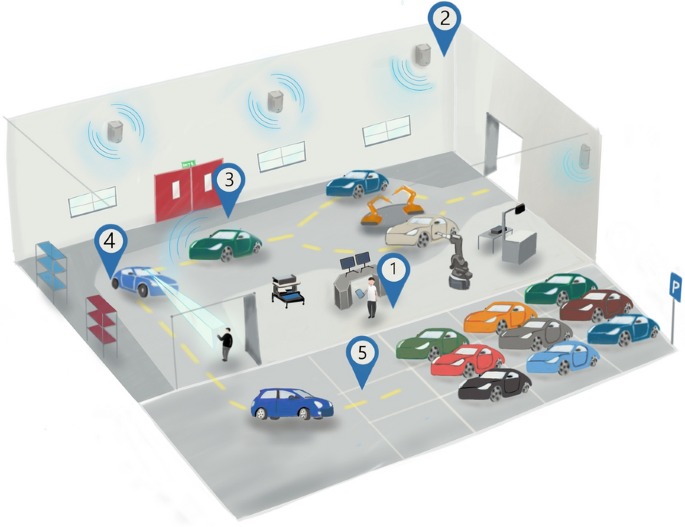
Flexible/Intelligent Automation – Uses AI, sensors, and robotics to adapt in real time (e.g., smart assembly lines).
The Problem: Rising Costs and Skills Gaps
Many manufacturers today struggle with three main problems:
-
Labor Shortages – Skilled workers are retiring, and younger talent often favors tech jobs over factory floors.
-
Inconsistent Quality – Manual processes leave room for error, leading to defective products and rework.
-
High Operational Costs – Energy use, downtime, and inefficiencies add up quickly.
Automation addresses these pain points by filling labor gaps, standardizing output, and cutting unnecessary costs.
Key Benefits of Manufacturing Automation
1. Higher Productivity
Machines don’t need coffee breaks. Automated systems can run 24/7, increasing throughput without adding extra shifts.
2. Improved Quality Control
Automation reduces human error. Vision inspection systems, for example, can detect microscopic flaws invisible to the human eye.
3. Cost Savings
Though the upfront investment is high, automation reduces long-term costs by minimizing waste, energy use, and downtime.
4. Worker Safety
Dangerous, repetitive, or physically demanding tasks can be handled by robots, lowering workplace injuries.
5. Scalability and Flexibility
Modern automation isn’t just rigid assembly lines—it can adapt to product changes, making it easier to launch new designs faster.
Challenges of Automation Adoption
Despite its benefits, automation comes with challenges:
-
High Initial Investment – Robots and AI systems require capital, which can intimidate small and medium-sized businesses.
-
Training Needs – Workers must learn to operate and maintain advanced machines.
-
Cybersecurity Risks – Connected systems can be vulnerable to cyberattacks if not protected properly.
-
Cultural Resistance – Employees may fear job loss, creating resistance to automation initiatives.
Successful adoption requires clear planning and transparent communication with staff.
Practical Steps to Implement Automation
1. Start Small, Scale Later
Instead of automating the entire factory, begin with one process that delivers measurable ROI. For example, a packaging line is often easier to automate than an entire assembly system.
2. Conduct a Workflow Analysis
Identify bottlenecks, repetitive tasks, and error-prone areas. These are usually the best candidates for automation.
3. Choose the Right Technology
-
Robotics for material handling or assembly.
-
AI for predictive maintenance.
-
IoT sensors for real-time monitoring.
-
ERP/MES software to integrate processes.
4. Train and Upskill Staff
Automation doesn’t eliminate jobs—it changes them. Operators become supervisors, maintenance crews become technicians, and line workers may shift into programming roles.
5. Plan for Cybersecurity
With connected systems, invest in firewalls, encryption, and monitoring tools to protect sensitive data and operations.
6. Measure ROI Continuously
Track key metrics like cycle time, defect rate, and energy consumption to ensure automation is delivering results.
Real-World Example
A mid-sized furniture manufacturer struggled with inconsistent product quality due to manual sanding. By introducing robotic sanding arms equipped with sensors, they:
-
Reduced defects by 40%
-
Increased production speed by 25%
-
Reassigned workers to higher-value design and finishing tasks
Within 18 months, the investment paid for itself through reduced waste and improved customer satisfaction.
The Future of Manufacturing Automation
Looking ahead, automation will be shaped by three major trends:
-
AI and Machine Learning – Smarter systems that can learn and improve over time.
-
Collaborative Robots (Cobots) – Robots designed to work safely alongside humans, enhancing teamwork.
-
Sustainable Automation – Energy-efficient machines that reduce carbon footprints and align with green initiatives.
Automation is no longer just about efficiency—it’s becoming a driver of innovation and sustainability.
Conclusion: Automation as a Competitive Edge
Manufacturing automation is no longer a luxury; it’s a necessity for businesses that want to thrive in a fast-paced, competitive market. While challenges like high costs and cultural resistance remain, the benefits—greater productivity, consistent quality, safer workplaces, and long-term savings—far outweigh the obstacles.